This article is dedicated to those investor or business person who wants to start their own business. You can earn huge money from risk free business.

Yes that is totally legit. Also you have to pay vat & taxes as well. But profit is ridiculous. It is buying & selling business. You like fashion & style, right? That’s why you love to wear fashionable clothing & accessories.

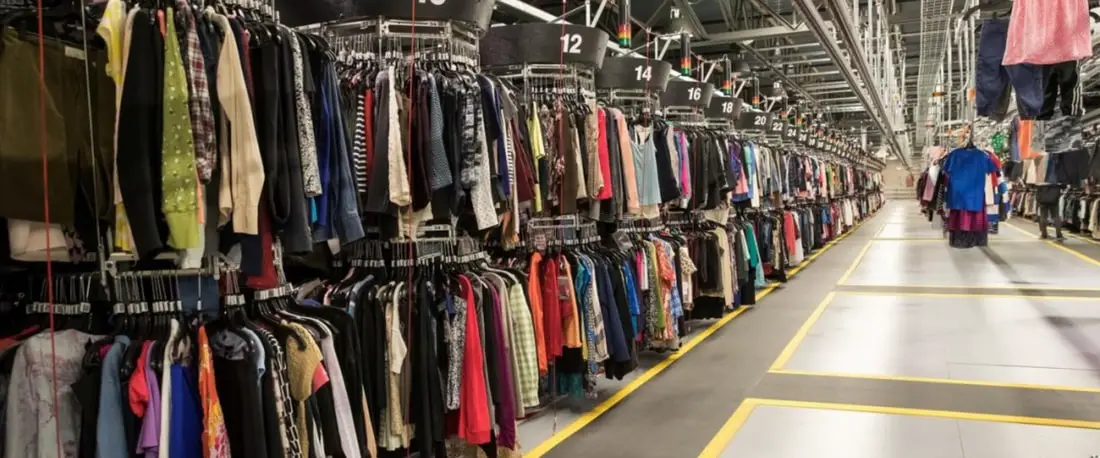
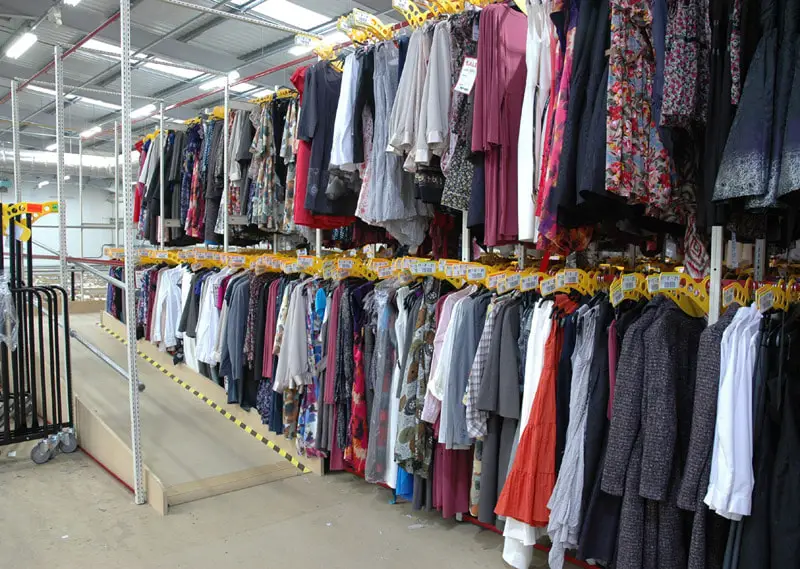
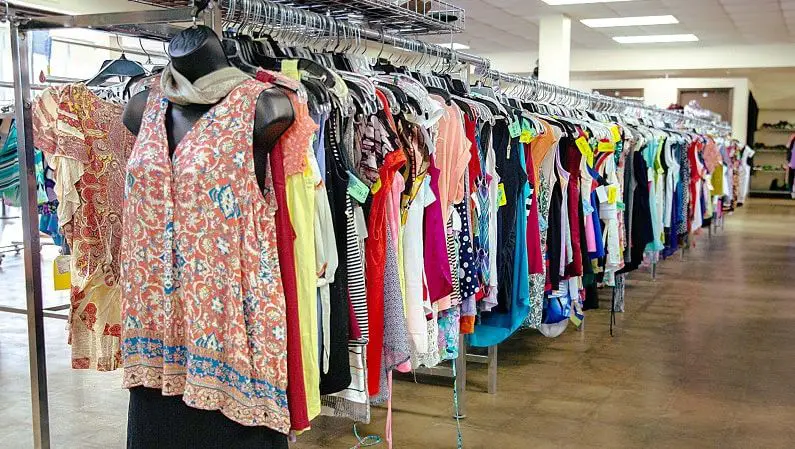
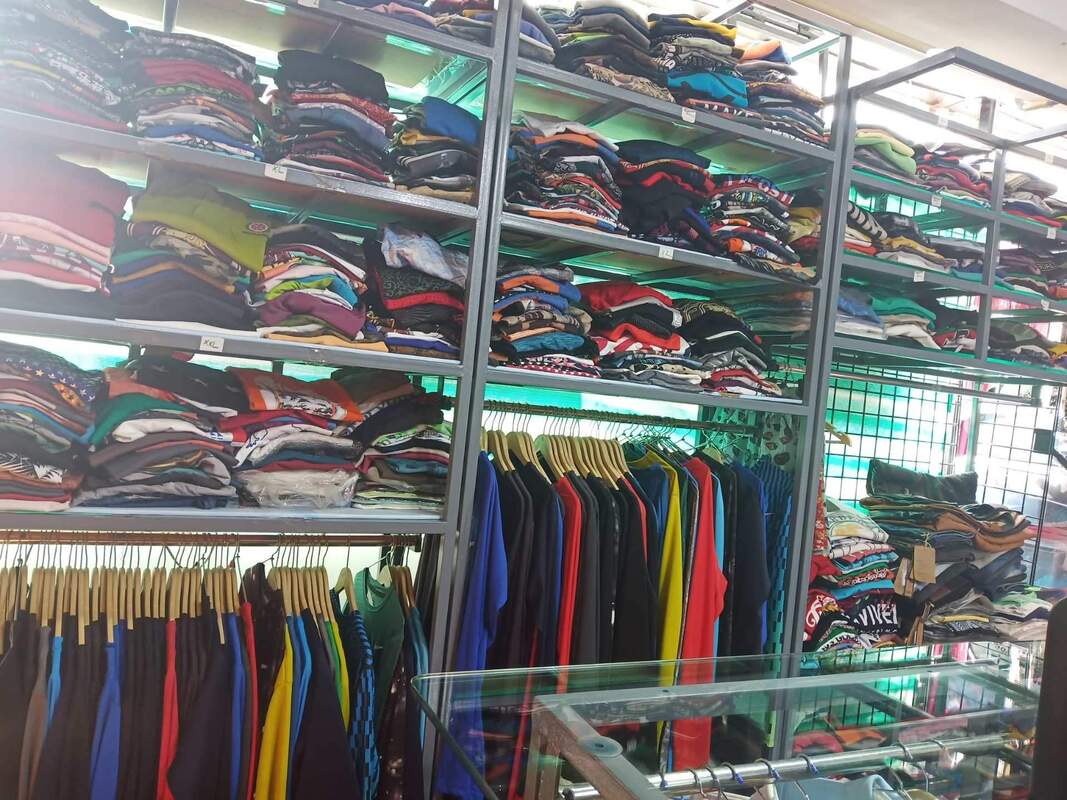
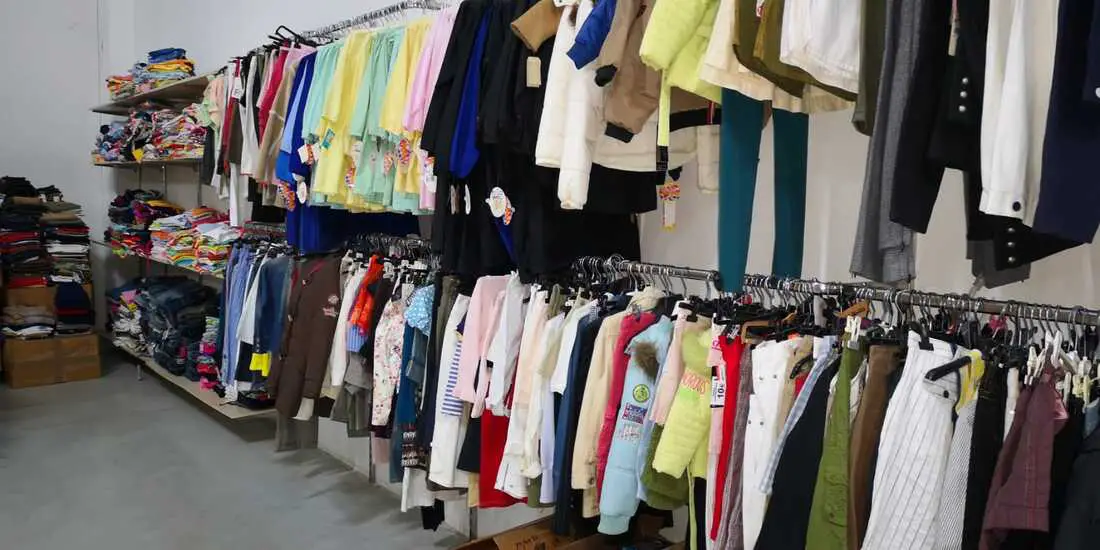
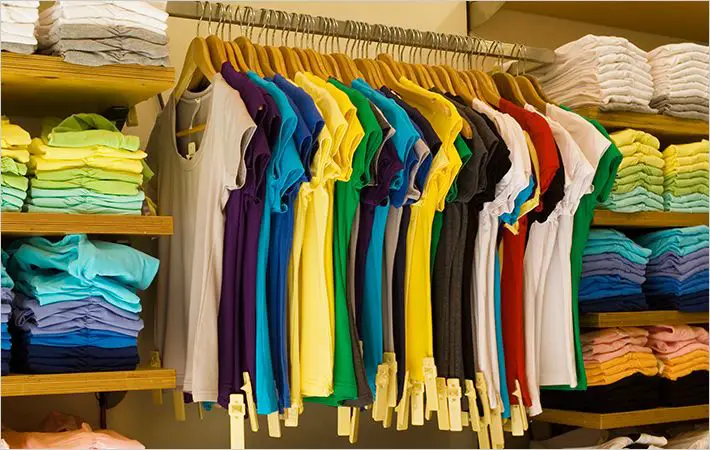
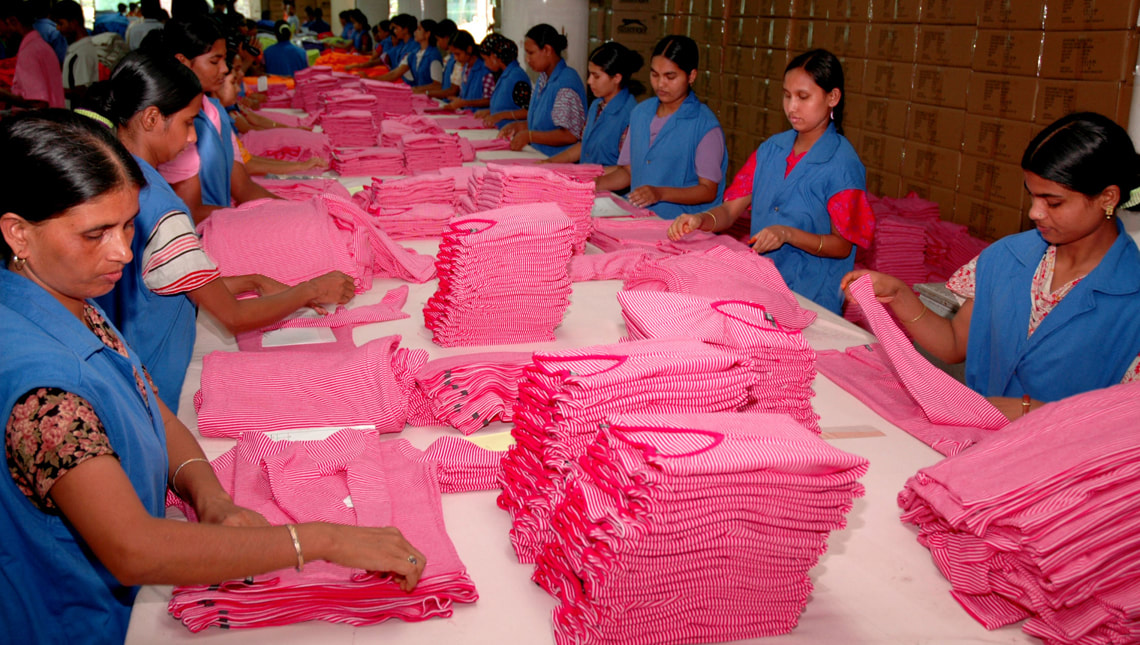
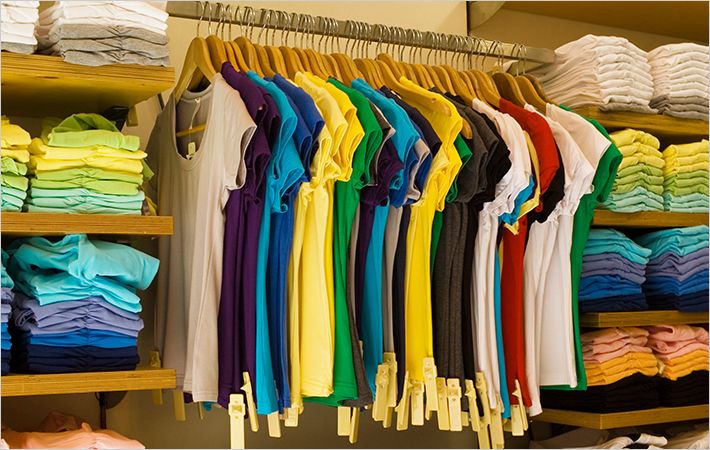
The business is related to fashion & style. Yes, you got my point. I am talking about clothing business. Clothing stock lots business is a part of clothing business.

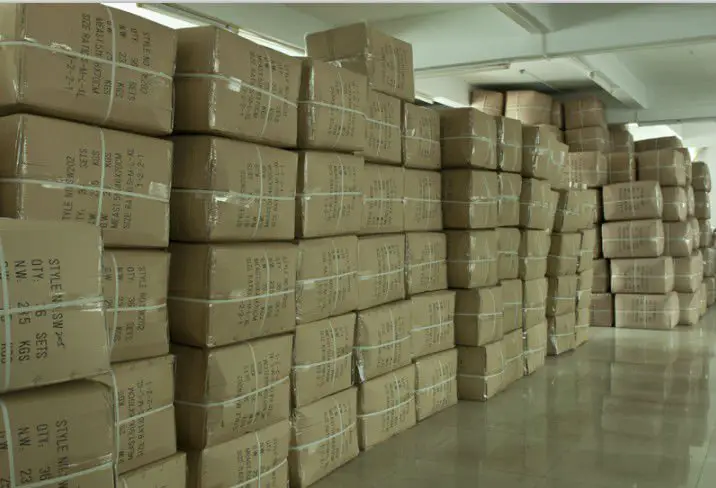
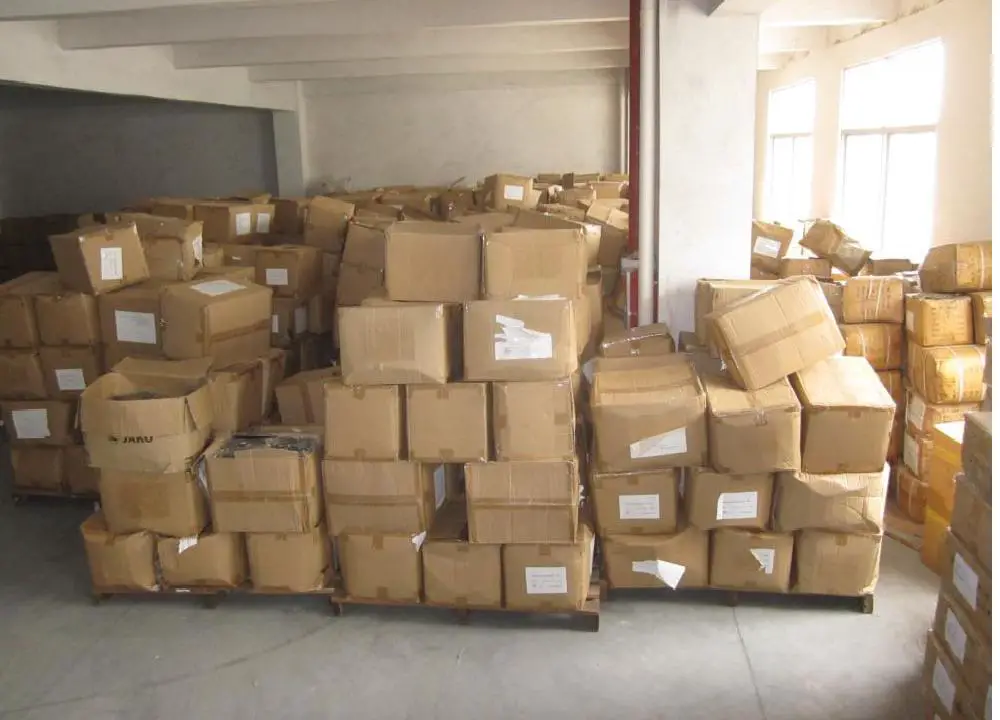
“The Brands by Stareon” is leading stock lots exporter. They buy & sell branded & quality stockings. If you want to invest in clothing stock sector, they will love to export those to you. Buy stock cheaply & get lots of profit.

Mail to: stareongroup@gmail.com & inform your interest. They will reply with more details information regarding the business.
 
 
Bangladesh is a rapid growing country. Clothing industry is one of the largest business sector in Bangladesh. Because the climate of the country is very helpful for the industry as well as the labor cost is very low. That’s why; many reputed, non-reputed, entrepreneur, investor & company have set up their business in Bangladesh. Clothing industry also known as apparel industry or garment industry.

Clothing stock lots business is a part of apparel sector. People trade leftover stock all over the world. Most of the clothing buyers are interested to invest in clothing leftover stock sector. They want to buy branded stock lots. Stock price is low than fresh order clothing. So people (who are in garment trade) want to get rapid & big profit from stock lots business. It is one kind of risk free business.

If anyone wants to start stocklot business, he needs knowledge of clothing quality, merchandize, business to business marketing, online communication etc. “The Brands by Stareon” is one of the largest clothing leftover stock lots exporter from Bangladesh. If you are interested to invest in that sector, just mail with your interest. Join the community & earn from risk free stock business.

You are requested to send mail to : stareongroup@gmail.com Buy branded stock and make money rapidly.
 
 
       ‘I have helped people to talk to the poor and not just about the poor’ 
                                                                                (Mother Teresa)

That is the first and most basic reason why we should help the poor - because they are fellow human beings, flesh and blood people like ourselves. We cannot turn a blind eye. In this global village, our planet, we are realizing more and more that we are mutually dependent. We are like a global family, although a dysfunctional one.

Do we have any idea what it means to be poor? Poverty diminishes people. Extreme poverty is deeply demeaning. You have seen people competing with dogs on the rubbish heaps of many of the large cities of impoverished lands.

You may have seen the poor, but have you ever imagined how it must feel not to be able to provide food for your hungry children; not to have a shirt on your back; not to be able to help your dying child because you lack access to medicine; not to be able to send your child to school when you know that some education is the only hope of success for that child and for your family.

Despite the phenomenal economic growth of many Asian countries, there are still 800 million lacking basic human needs like food, shelter, work and minimal health care.

Every human being deserves:
  • A reasonable standard of living
  • A reasonable standard of accommodation
  • An opportunity to use his abilities in satisfying work.

Another reason why we must help the poor is the need for social justice - one of the great themes of humankind’s thinking about society, and a divine requirement of all religions. There is injustice when a small fraction of the population grows richer year by year, while others ache and suffer for lack of the most basic necessities. There is injustice when there is gross inequality in how a nation’s resources are distributed.

Social justice is a divine requirement of all religions

It has been said of Mother Teresa that she merely loves, feeds, clothes the poor and treats the dying and does not provide them with the means to fight for their rights - that she treats the symptoms only, and not the root causes. But you are. You are the people who can tackle root causes, who can ensure that economic plans are linked to socially just development strategies, who can play a more balanced, positive, proactive role to sustain and develop your nation’s social, human and natural resources.

Help the helpless, homeless, rootless & sick poor people. Let them live besides you.  Give them shelter, food, treatment & security. Your little help can give them strength to survive. Help a little - Donate Now.
 
 
As we think about the poor, the abused, the helpless. what can our compassion accomplish for them?

A lot. It takes just a few minutes with the news to know the needs in the slums, the refugee camps, the AIDs orphans. No individual can solve the world's needs. But perhaps we could do something.

Here are some ideas.

1. Donate boxes of food that you no longer want. You can have food drives for the needy or physically take the food to the poor people that you would like to help. Some good choices of food to donate is canned foods, noodles, beans, and any other dried foods that will last a long time and don't need refrigerated.

2. Give out blankets and sheets to the poor people. It is very sad to see a homeless person sleeping on the streets with no blankets. Helping them will make a big difference. You can also donate blankets and linens to thrift stores and good will.

3. Rummage through your clothes and your children's old clothes and give them away. Donating clothes really does help the poor people. This will really make a difference to those in need of clothes. Winter clothes are really in need this time of year. Coats, scarfs, gloves and hats are also a great gift to give to the poor people.

4. Sort through your children's toys and donate them to the needy. Books of all types are also a recommended donation item to give to poor people. Giving charity such as money is a good thing to do if you have any to spare. Make sure you choose the right people or organization to donate to.

12 tips for teens on how to help the poor and needy

What can you, a teenager who doesn't have a lot of money or resources, do to help the poor and needy?

More than you think. Most young adults are blessed with the creativity and intelligence to find ways to help others despite limited resources. Here are some tips that can perhaps start the creative process:

1. Give a portion of your allowance each week to a poor and needy person or a cause in support of them
How much is your allowance or your salary from your part-time job? Not much, you might say. The great thing about giving though is that in about 99 percent of cases, you are not restricted to how much you can give to help the poor and needy. That means for instance, instead of dishing out a dollar a day for a can of soda from the vending machine at school or work, maybe you can save this money two days of the week. Then give this money to the Zakat and Sadaqa committee of your mosque, a poor person you know in your neighborhood, a local soup kitchen or to a worthy cause abroad.

2. Encourage your parents to pay Zakat
Zakat is something too many Muslims neglect. If you are eligible to give Zakat, you must pay. If you aren't eligible, ask your parents about Zakat and if they pay, how and to whom. If they do not give Zakat, respectfully and politely emphasize to them the importance of this necessary pillar of Islam and encourage them to start paying it. Use wisdom and beautiful preaching.

3. Encourage a family Sadaqa (charity) project
Get the whole family to pitch in at least once a month to a worthy cause by organizing a family Sadaqa project. Call a family meeting (if you've never had one of these, this is a great time to start) and discuss your idea. Then come to an agreement on how everyone can help the poor. Whether it's contributing a set amount a week as a group with Dad giving the money to the Masjid after Friday prayers or setting up a box somewhere in the house where family members can privately donate, you all decide.

4. Talk about it in your youth group
What are the first steps in finding solutions to problems? Dua (supplication) then brainstorming and discussion.

At your next youth group meeting, put the difficulties of the poor and needy in your community on the agenda. Simply discuss and brainstorm. You don't have to come up with a plan all at once. But discussing this will start the process and keep it in people's minds.

If you don't have a youth group, get your friends together. Instead of having the usual hang out time one day, substitute this with a formal meeting. Now you have a youth group that can do this exercise.

5. Visit a poor part of town
How many big cities have "poor quarters"? Almost every single one. Sometimes, we need to see the reality of poverty right in front of us to really believe it's there, especially if we live in a financially well-off part of a city.

Go with your youth group to visit these areas. You don't have to necessarily bring money or food for them (although that wouldn't be a bad idea). Talk to the people, if they are willing to be approached, about living conditions and how they ended up there. Prepare yourself for an eye-opening experience.

6. Do a class presentation on poverty
Stumped about what to do for a school assignment? Why not talk about the plight of the poor in your community. Do your research thoroughly. Get statistics on poverty, real stories from books and perhaps even video- or audiotaped interviews of the poor and homeless. Show the human face of poverty. Follow the presentation up with a class collection for the poor.

7. Don't just collect money
There are plenty of basic necessities that people have to meet. Some people can't afford new shoes. So hold a shoe drive. Others cannot afford clothing. Hold a clothing drive. Collect the material, arrange for cars, vans or trucks to transport it to where it's needed, then make sure the material is properly distributed.

8. Write about poverty in your school paper
Have you got a knack for writing? Then write about poverty in your school newspaper. Educate your student body not just with words, but photos too, if possible. If you've visited a poor part of the city (see tips above), then you have plenty of material and personal material to write about.

9. Write about Zakat and Sadaqa in your Masjid newsletter
Does your Masjid have a newsletter? If so, dedicate the next issue to the topic of Zakat and Sadaqa and how they help the poor and the needy. You can interview an Imam to get the basics straight. You can also include various charitable causes readers can give their money to locally to help the poor and needy.

If you don't have a Muslim youth newsletter, maybe this can be your premiere edition.

10. Put the information on a website
If you put the above-mentioned newsletter or at least some of the articles online, you’ll probably have more young people reading it than if you limited the information to print only.

11. Collect money in your group
After your next group meeting, pass around a box to collect donations for the poor and needy. Better yet, make this a weekly practice. Make one person responsible for collecting the money and sending it off after consulting everyone on which cause it should be sent for.

12. Organize a youth seminar on poverty
Get a youth-friendly Imam or speaker to come and talk about how Islam has successfully fought against poverty in the past and can continue to do so in the present.

More Ideas

          “We can do no great things; only small things with great love.”
                                                                                               —Mother Teresa


General Donation
A donation to our general fund goes to where the greatest need is at the moment. Your gift allows us to provide immediate relief when there is a crisis and to supply vital services to the people in the countries in which we serve.

Donate to a Good Charity
The most basic thing to help get rid of poverty is donate to a charity that follows the same aim as you, there are loads but choose a charity you can trust. It doesn't have to be a lot, but it should be something significant. Give up gourmet coffee and give the money to a homeless outreach. Drive less to save gas. Carpool. Stop the special trips to the store. Walk where you can. Give the money you saved to a soup kitchen. It can be the money you spend on chocolates, it can be the money that you spend on console games. Every little counts, remember that.

Set up a Group
Set up a group that helps people in poverty. Start or contribute to a fund raiser for the poor. Get involved with a community center.

Monthly Giving Clubs
Monthly giving clubs offer the convenience of setting up automatic monthly donations and allow you to direct your funds to the program that you choose.

Understand Reality
You must have a feel of poverty, for example, go without food or be on an extended fast. Not just a food fast. No TV, radio, newspapers, car, or the purchase of anything new. Shop at thrift stores. Give all the money you saved to a good charity.

Understand
We are the most intelligent creatures in the world but why are we so foolish enough to leave our own blood without no food, no shelter, no education and no respect. If we are supposed to be intelligent then be intelligent and make everyone the same. "When you see a person who has been given more than you in money and beauty, look to those, who have been given less."

Gift Catalog
Choosing a meaningful gift for someone who has everything can be a challenge. Why not delight your loved one with a gift given to the poor in his or her honor?

Current Appeals
Make a one-time donation or a regular monthly contribution toward a meaningful, noble needed cause.

Champions For The Poor
Put your passion into action by creating a personal page for your own Food For The Poor fundraising effort!

Orphan Sponsorship
You can sponsor a child who needs your help!

Planned Giving
Our planned gifts are reciprocal gifts, returning benefits that can reduce your taxes, increase your retirement income and address your family’s financial obligations — all while ministering to the needs of the poor.

Radio
Food for the Poor raises money through partnerships with many local radio stations. See if your city has a participating station.

BY NEED

Feeding
Imagine seeing your children slowly starving… and having nothing to feed them… Your gift today will bring lifesaving food to hungry children and their families.

Housing
For the poorest of the poor, “home” might be little more than a few sticks, mud, and scraps of plastic or metal. Your gift for housing will help provide a family with a safe, basic home and restore their human dignity.

Water
Clean, safe drinking water is essential for life. In developing countries, access to safe drinking water can be limited, often resulting in serious illnesses and death. Your gift will help provide lifesaving water to those lacking clean drinking water and sanitation.

Medical Care
In developing countries, hospitals and clinics often lack the most basic equipment and supplies to treat patients. Doctors and nurses often stand by helplessly, unable to administer lifesaving aid. Your gift can help provide items ranging from basic anti-diarrhea medicine to advanced medical equipment.

Education
Unlike in the United States, education in developing countries is not free. Parents must pay for uniforms, books, school supplies and other necessities. Children too poor to attend school are often sent to work on the streets, and so a lack of education reinforces the vicious cycle of poverty. Your gift for education can help break that cycle and will benefit a child for a lifetime.

Micro-Enterprise Development
Often, poor families are trapped in poverty because they have no viable means of earning income. What better way to help improve lives than to give a village the means to sustain itself economically? Your gift for a self-sustaining project will have a profound and lasting impact on the lives of those you help.

Tips
  • Read your holy book and turn to the page where it says about poverty. Look at what it says and follow it.
  • Donate whatever you can.
  • Do a good deed and help people in poverty.
  • Think how can you eat your next meal when your family is starving in poverty.
  • Be prepared to lose many comforts in your life.
  • Get a good education so your views are heard more.
  • Have the will to solve the problem.
  • If you can donate the price of one fast food meal per week, that amounts to more than $250 per year.
  • If you "Get outside yourself" you will have more reason to contribute and more satisfaction in life.
Warnings
Look at those children. Don't you feel any sympathy for them? What if those children were yours, wouldn't you expect others to help you?
 
 
A foundation (also a charitable foundation) is a legal categorization of nonprofit organizations that will typically either donate funds and support to other organizations, or provide the source of funding for its own charitable purposes.

This type of non-profit organization differs from a private foundation which is typically endowed by an individual or family.

Description

One of the characteristics of the legal entities existing under the status of "Foundations", is a wide diversity of structures and purposes. Nevertheless, there are some common structural elements that are the first observed under legal scrutiny or classification.

Chart of a foundation

  • Legal requirements followed for establishment
  • Purpose of the foundation
  • Economic activity
  • Supervision and management provisions
  • Accountability and Auditing provisions
  • Provisions for the amendment of the statutes or articles of incorporation
  • Provisions for the dissolution of the entity
  • Tax status of corporate and private donors
  • Tax status of the foundation
Some of the above must be, in most jurisdictions, expressed in the document of establishment. Others may be provided by the supervising authority at each particular jurisdiction.

Foundations in civil law
The term "foundation," in general, is used to describe a distinct legal entity.

Foundations as legal structures and/or legal persons, may have a diversity of forms and may follow diverse regulations depending on the jurisdiction where they are created.

In some jurisdictions, a foundation may acquire its legal personality when it is entered in a public registry, while in other countries a foundation may acquire legal personality by the mere action of creation through a required document. Unlike a company, foundations have no shareholders, though they may have a board, an assembly and voting members. A foundation may hold assets in its own name for the purposes set out in its constitutive documents, and its administration and operation are carried out in accordance with its statutes or articles of association rather than fiduciary principles. The foundation has a distinct patrimony independent of its founder.

Foundations are often set up for charitable purposes, family patrimony and collective purposes.

Independent Foundations

Independent foundations are the most common type of private foundation. They are generally founded by an individual, a family or a group of individuals. They may be operated by the donor or members of the donor’s family—a type often referred to as a family foundation—or by an independent board.

Because family foundations have unique needs, MCF often refers to Private Independent and Private Family Foundations separately.

Corporate Foundations
Corporate foundations are created and funded by companies as separate legal entities, operated by a board of directors that is usually comprised of company officials. Corporations may establish private foundations with endowments, make periodic contributions from profits, or combine both methods to provide a foundation’s resources. Some companies operate in-house corporate giving programs, which unlike corporate foundations are under the full control of the company and are not required by law to follow the same IRS regulations. Many corporations maintain both a foundation and a corporate giving program.

Community/Public Foundations
Community and other public foundations are publicly supported foundations operated by, and for the benefit of, a specific community or geographic region. They receive their funds from a variety of individual donors, and provide a vehicle for donors to establish endowed funds without incurring the costs of starting a foundation. Community/public foundations are administered by a governing body or distribution committee representative of community interests.

There is also a type of foundation that does not generally make grants, called an operating foundation. The majority of an operating foundation’s funds are expended to operate its own charitable programs.

What Limits Are There on Foundation Grant making?

Some foundations have broad discretion regarding the charitable causes to which their grants can be directed. Others are sharply limited—often legally—by the mandate of the foundation donor. Some foundations are restricted to making grants only to specific causes; others must restrict their grant making to a specific geographic area.

How Are Foundations Regulated?

Foundations are governed by stricter regulations than public charities, which generally raise money from the public to operate institutions or programs. Both foundations and public charities might use the term "foundation" in their titles, but very different laws apply to each. The IRS requires that independent and corporate foundations:
  • Annually pay out at least 5 percent of the value of their investment assets.
  • Pay an excise tax of 1 or 2 percent on their earnings.
  • Give money only to other 501(c)(3) organizations, with a few rare exceptions.
Nearly all community/public foundations are considered public charities by the IRS. As such, they are not subject to the same regulatory provisions as independent and corporate foundations.
 
 
A

  • Acorns Children's Hospice
  • ActionAid
  • Action Against Hunger
  • Acumen Fund
  • Adventist Development and Relief Agency
  • Aerospace Heritage Foundation of Canada
  • African Medical and Research Foundation
  • Aleh Negev
  • Allegheny Foundation
  • Alpha Sigma Tau National Foundation, Inc.
  • Alwaleed Bin Talal Foundation
  • Alex's Lemonade Stand
  • The Alliance for Safe Children
  • American Academy in Rome
  • American Himalayan Foundation
  • American India Foundation
  • American Near East Refugee Aid
  • American Red Cross
  • America's Second Harvest
  • Amici del Mondo World Friends Onlus
  • Angel For Hope
  • Andrew W. Mellon Foundation
  • Arizona Foundation for Legal Services & Education
  • Artforum Culture Foundation
  • Association L'APPEL - help for children victims of conflicts
  • Asbestos Disease Awareness Organization
  • The Asia Foundation
  • Audrey Allen Foundation For Children
  • Asia Injury Prevention Foundation
  • Association of Gospel Rescue Missions
  • Atlantic Philanthropies
B

  • Baan Gerda
  • Best Friends Animal Society
  • Better Life, The Foundation for a
  • Bharat Sevashram Sangha
  • Big Brothers Big Sisters of America
  • Big Brothers Big Sisters of Canada
  • Big Brothers Big Sisters of New York City
  • Bill & Melinda Gates Foundation
  • Born This Way Foundation
  • Boys & Girls Clubs of America
  • Bread for the World
  • British Heart Foundation
  • Bremen Overseas Research and Development Association
  • Burroughs Wellcome Fund
  • Bush Foundation
C

  • CAFOD
  • The Canadian International Learning Foundation
  • Cardiac Risk in the Young
  • Caritas
  • Casa Pia
  • The Carter Center
  • Carthage Foundation
  • Catholic Charities
  • Catholic Relief Services
  • CARE International
  • Children in Need
  • Children At Risk
  • Children of Peace International
  • Children's Defense Fund
  • Children's Development Trust
  • The Children's Investment Fund Foundation
  • Children's National Medical Center
  • Child's Dream
  • Child Watch Phuket
  • Christian Blind Mission International
  • Christian Care Foundation for Children with Disabilities
  • Church World Service
  • City Year
  • Comenius Foundation for Child Development
  • Compassion International
  • Cooperazione e Sviluppo
  • Counterpart International
  • Child In Need Institute (CINI)
  • Cancer Research
  • CanTeen
D

  • David and Lucile Packard Foundation
  • Dean Foundation
  • Dr. Moslem Foundation
  • Do Something
  • Doctors without borders
  • Duke Endowment
  • Don Bosco Foundation
  • Don malida Foundation
E

  • East Meets West Foundation
  • Eau Agriculture et Sante en Milieu Tropical
  • Ecuador Humanitarian Foundation
  • Enfants du Monde - Droits de l'Homme
  • Engineers Without Borders (Canada)
  • Environmental Development Action in the Third World
  • Epilepsy Foundation
  • Eppley Foundation
F

  • Food Allergy Initiative
  • Foundation for International Community Assistance
  • Ford Foundation
  • Foundation for a Better Life, The
  • The Fred Hollows Foundation
  • The Fratu Foundation
  • Fremont Area Community Foundation
  • Free the Children
  • Friedrich Ebert Stiftung
  • Fund for Reconciliation and Development
  • Fundacion Manantiales
G

  • GEFEK
  • George S. and Dolores Dore Eccles Foundation
  • German Foundation for World Population
  • Gill Foundation
  • Girl Scouts of the United States of America
  • The Global Fund to Fight AIDS, Tuberculosis and Malaria
  • Give India
  • Grassroots Business Fund
  • Global Village Foundation
  • Greengrants
  • Greenpeace
H

  • Habitat for Humanity International
  • Half the Sky Foundation
  • Handicap International
  • Hands on Network
  • Hands on Tzedakah
  • Heal the World Foundation
  • Heart to Heart International
  • Heifer Project International
  • Helen Keller International
  • Helvetas
  • Hilti Foundation
  • Holt International Children's Services
  • Hope for Tomorrow
  • Howard Hughes Medical Institute
I

  • IHH (Turkish NGO)
  • Illinois Prairie Community Foundation
  • Institusjonen Fritt Ord
  • International Children Assistance Network
  • International Crane Foundation
  • International Federation of Red Cross and Red Crescent Societies
  • International Foundation for Electoral Systems
  • International Fund for Animal Welfare
  • International Medical Corps
  • International Planned Parenthood Federation
  • International Republican Institute
  • International Resources for the Improvement of Sight
  • International Trachoma Initiative
  • Invisible Children
  • Islamic Relief
  • ISSO Seva
J

  • Jivitesh Foundation - India
  • Jain Foundation
  • The Jane Goodall Institute
  • Jesuit Refugee Service
  • Jewish Community Center
  • John D. and Catherine T. MacArthur Foundation
  • Just a Drop
  • JAYC
K

  • Kahrizak charity foundation
  • Kasulu foundation
  • Knut and Alice Wallenberg Foundation
  • Komitee Twee of the Netherlands
  • Konrad Adenauer Foundation
  • KOTO
  • The Kresge Foundation
  • kuzhalmannam education charitable trust
L

  • La Caixa
  • Landmine Survivors Network
  • LDS Humanitarian Services
  • Lifeline Express
  • Li Ka Shing Foundation
  • Lilly Endowment
  • Lions Club
M

  • Macarthur Foundation
  • Make a wish foundation
  • Malian Foundation
  • Malteser International
  • Marie Stopes International
  • Maybach Foundation
  • McKnight Foundation
  • Médecins du Monde
  • Médecins Sans Frontières
  • Mercy Corps
  • Mercy International Foundation
  • Microcharity
  • Mukti (organization)
N

  • Netherlands Leprosy Relief
  • Network for Good
  • New York Road Runners
  • Nimmagadda Foundation
  • Nippon Foundation
  • Nobel Foundation
  • North-South Institute
  • Norwegian Mission Alliance
O

  • The Oaktree Foundation
  • Onassis Foundation
  • ONS Foundation
  • Operation Blessing
  • Operation Smile
  • Operation USA
  • Opportunity International
  • Orbis International
  • Oxfam
P

  • Pin-ups for Vets
R

  • Ratanak International
  • Realdania
  • Reggio Children - Loris Malaguzzi Centre Foundation
  • Robert Wood Johnson Foundation
  • Rockefeller Brothers Fund
  • Rockefeller Foundation
  • Royal London Society for the Blind
  • Royal Society for Prevention of Cruelty to Animals
  • Royal Society for the Protection of Birds
  • Royal Flying Doctor Service
S

  • St. Baldrick's Foundation
  • Saint Camillus Foundation
  • Salvation Army
  • Samaritan's Purse
  • Samsara Foundation
  • Santa Casa da Misericórdia
  • Save the Children
  • Scaife Family Foundation
  • Simone and Cino Del Duca Foundation
  • SCARE for a CURE
  • Schowalter Foundation
  • SKIP of New York
  • Somaly Mam Foundation
  • SOS Children's Villages
  • SOS Children's Villages - UK
  • SOS Children's Villages - USA
  • Sparebankstiftelsen DnB NOR
  • Starlight Children's Foundation
  • Starz Lacrosse Foundation
  • Students Helping Honduras
  • Surdna Foundation
T

  • Telangana Development Forum
  • Taproot Foundation
  • The Water Project
  • Tom Joyner Foundation
  • Toys for Tots
  • TRAFFIC International
  • The Lawrence Foundation
U

  • UMCOR
  • UNICEF
  • United Nations Children's Fund
  • United Nations Development Program
  • United States Coast Guard Auxiliary
  • United States Golf Association
  • United States Artists
  • Universal Health Care Foundation of Connecticut
V

  • Vietnam Children's Fund
  • Vietnam Veterans Memorial Fund
  • Vietnam Veterans of America Foundation
  • Virtu Foundation
  • Volunteers of America
  • Voluntary Service Overseas
W

  • Wellcome Trust
  • The Weston Foundation
  • Wetlands International
  • Wikimedia Foundation
  • William and Flora Hewlett Foundation
  • W.K. Kellogg Foundation
  • WildAid
  • Wildlife Conservation Society
  • William J. Clinton Foundation
  • Woodrow Wilson National Fellowship Foundation
  • World Conservation Union
  • World Medical Relief
  • World Vision International
  • World Wide Fund for Nature
  • World Wildlife Fund
  • World Scout Foundation
  • Wyoming Wildlife Federation
  • Wounded Warrior Project
Y

  • Young Lives
  • Youth with a Mission
  *   YouthBuild
 
 
As of May 14th, 2012

Rank    Name
1.         National Public Radio - NPR
2.         Ted Talks
3.         Public Broadcasting Service
4.         American Red Cross
5.         Metropolitan Museum of Art
6.         People for the Ethical Treatment of Animals
7.         American Cancer Society
8.         WikiLeaks
9.         United Nations Children«s Fund (UNICEF)
10.       Smithsonian Institute
11.       Museum of Modern Art
12.       Humane Society of the United States
13.       American Society for the Prevention of Cruelty to Animals
14.       World Wildlife Fund
15.       AARP
16.       Amnesty International USA
17.       Do Something
18.       St. Jude's Children's Research Hospital
19.       World Bank PNGO Project
20.       Planned Parenthood Federation of America
21.       Nature Conservancy
22.       Kiva
23.       Creative Commons
24.       Green Peace
25.       Mayo Foundation
26.       Invisible Children
27.       World Food Program USA
28.       ACLU
29.       Human Rights Campaign
30.       ONE
31.       American Heart Association
32.       American Diabetes Association
33.       Panda.org
34.       Human Rights Watch (HRW)
35.       Bill and Melinda Gates Foundation
36.       United States Olympic Committee
37.       World Vision USA
38.       Cleveland Clinic Foundation
39.       Boy Scouts of America
40.       Rotary Foundation of Rotary International
41.       Sierra Club
42.       Feeding America
43.       New York Public Library
44.       Doctors Without Borders
45.       National Wildlife Federation
46.       United Nations High Commissioner for Refugees
47.       Charity: water
48.       Livestrong
49.       Natural Resources Defense Council
50.       Alzheimer's Association
51.       American Museum of Natural History
52.       Habitat for Humanity
53.       Susan G Komen Breast Cancer Foundation
54.       Metropolitan Opera Association
55.       Save the Children
56.       Defenders of Wildlife
57.       Zoological Society of San Diego
58.       March of Dimes Foundation
59.       National Multiple Sclerosis Society
60.       Children's Hospital (Boston)
61.       Girl Scouts of America
62.       Focus on the Family
63.       Wounded Warrior Project
64.       In Touch Ministries
65.       United States Fund for UNICEF
66.       Environmental Defense
67.       Council on Foreign Relations
68.       Art Institute of Chicago
69.       Monterey Bay Aquarium
70.       Best Friends Animal Society
71.       Amnesty International
72.       USO
73.       CARE
74.       Billy Graham Evangelistic Association
75.       Goodwill
76.       Oceana
77.       Salvation Army USA
78.       Make-A-Wish Foundation
79.       Special Olympics
80.       Samaritan's Purse
81.       National Audubon Society
82.       Heifer Project International
83.       Oxfam America
84.       Philadelphia Museum of Art
85.       Museum of Fine Arts, Boston
86.       International Rescue Committee
87.       Veterans of Foreign Wars
88.       Teach for America
89.       Juvenile Diabetes Research Foundation International
90.       United States Conference of Catholic Bishops (USCCB)
91.       Leukemia & Lymphoma Society
92.       Sea Shepherd Conservatory Society
93.       National Parks Conservation Association
94.       Cystic Fibrosis Foundation
95.       Ducks Unlimited
96.       Friends of the National Zoo
97.       JFK Center for Performing Arts
98.       Compassion International
99.       International Federation of Red Cross and Red Crescent Societies
100.     William J. Clinton Foundation
 
 
Jute, having been the most environment-friendly natural fibre because of its inherent unique properties has counts of advantages over other man-made artificial polymer fibre products.

· Under stress jute extends only 0.5% to its stable form and so gives wonderful dimensional stability.
· The hairy surface of jute fabric gives it a capacity to grip any surface it comes in contact with. They can, for this reason, be stacked high and wide without any risk of slippage.
· The ignition temperature of jute is 193˚c. It thus remains very stable up to near ignition point. Even at boiling temperature, its intact physical properties guard it from undergoing possible distortion.
· Jute being hygroscopic and auriferous permits normal breathing and humidity to the contents and so ensures their storage without deterioration.
· Hooks may be used freely and easily on jute products during handling as its innate properties cover up the pierced holes immediately after. It thus prevents seepage loss of contents during transportation and allows itself to be re-used over and again
· Jute being natural is biodegradable. It does not plug the natural pore of the earth soil and surface.
· When burned, it emits the same fume as a burning wood as we know, is nothing dangerous.

It has no adverse effect on human body and the mother nature as a whole.

Advantage of Use of Jute Goods
 
 
Jute Goods can ideally be used as:

· Bags and sacks for packing almost all kinds of agricultural produces, minerals, cement etc.
· Packs for packing wool and cotton;
· Wrapping materials / fabrics;
· Carrier and backing fabric for carpet and linoleum;
· Cordage and twines;
· Webbing to cover inner springs in auto-seats and upholster furniture;
· Cargo separator in ship;
· Cloth for mine ventilation and partition;
· Filling material in cable;
· Roofing and floor covering apparel;
· Footwear lining;
· Wall covering and furnishing fabric; m. Fashion accessories;
· Soil erosion control fabric and many more.

Uses of Jute Goods


Jute is a long, soft, shiny vegetable fibre that can be spun into coarse, strong threads. It is produced from plants in the genus Corchorus, which was once classified with the family Tiliaceae, more recently with Malvaceae, and has now been reclassified as belonging to the family Sparrmanniaceae.

Jute is one of the most affordable natural fibres and is second only to cotton in amount produced and variety of uses of vegetable fibres. Jute fibres are composed primarily of the plant materials cellulose and lignin. It is thus a ligno-cellulosic fibre that is partially a textile fibre and partially wood. The industrial term for jute fibre is raw jute. The fibres are off-white to brown, and 1–4 metres (3–12 feet) long.

There are two types of Jute.
1.    White Jute
2.    Tossa Jute

For centuries, jute has been an integral part of the culture of Bengal, in the entire southwest of Bangladesh and some portions of West Bengal. During the British Raj in the 19th and early 20th centuries, much of the raw jute fibre of Bengal was carried off to the United Kingdom, where it was then processed in mills concentrated in Dundee. Margaret Donnelly, a jute mill landowner in Dundee in the 1800s, set up the first jute mills in Bengal.

In the 1950s and 1960s, when nylon and polythene were rarely used, one of the primary sources of foreign exchange earnings for the erstwhile United Pakistan was the export of jute products, based on jute grown in then East Bengal, now Bangladesh. Jute has been called the "Golden Fibre of Bangladesh." However, as the use of polythene and other synthetic materials as a substitute for jute increasingly captured the market, the jute industry in general experienced a decline.

Jute has entered many diverse sectors of industry, where natural fibres are gradually becoming better substitutes. Among these industries are paper, celluloid products (films), non-woven textiles, composites and geotextiles. In 2006, the General Assembly of the United Nations proclaimed 2009 to be the International Year of Natural Fibres, so as to raise the profile of jute and other natural fibres.

India, Pakistan, and China are the large buyers of local jute while the United Kingdom, Spain, Côte d'Ivoire, Germany and Brazil also import raw jute from Bangladesh. India is the world's largest jute growing country.

Jute is the second most important vegetable fibre after cotton. Jute is used chiefly to make cloth for wrapping bales of raw cotton, and to make sacks and coarse cloth. The fibres are also woven into curtains, chair coverings, carpets, area rugs, hessian cloth, and backing for linoleum.

Jute is used in the manufacture of a number of fabrics such as Hessian cloth, sacking, scrim, carpet backing cloth (CBC), and canvas. Hessian, lighter than sacking, is used for bags, wrappers, wall-coverings, upholstery, and home furnishings. Sacking, a fabric made of heavy jute fibres, has its use in the name. CBC made of jute comes in two types. Primary CBC provides a tufting surface, while secondary CBC is bonded onto the primary backing for an overlay. Jute packaging is used as an eco-friendly substitute.

Diversified jute products are becoming more and more valuable to the consumer today. Among these are espadrilles, soft sweaters and cardigans, floor coverings, home textiles, high performance technical textiles, Geotextiles, composites, and more.

Jute has many advantages as a home textile, either replacing cotton or blending with it. It is a strong, durable, color and light-fast fibre. Its UV protection, sound and heat insulation, low thermal conduction and anti-static properties make it a wise choice in home décor. Also, fabrics made of jute fibres are carbon-dioxide neutral and naturally decomposable. These properties are also why jute can be used in high performance technical textiles.

Thus, jute is the most environment-friendly fibre starting from the seed to expired fibre, as the expired fibres can be recycled more than once.


What is Jute